Each year, I start out my wine tasting table with nearly a blank slate and I always put my wine wishlist out there. I have found over time that states like California, Oregon and Washington land on my tasting table reliably; all other wine states rarely ever make their way to my tasting table.
But I’ll just keep asking non-West Coast producers for wines to sample.
Interestingly, import wines from Spain and Australia are rare–though Spain, a very large wine producer, just doesn’t sample their wines or perhaps I am not on those lists. I have written often about Australia as a missing wine nation-state from the US Market. Even Wine Australia doesn’t seem that interested in the US market and I haven’t been to trade tasting in half a decade. A generation-to-generation-and-half ago I was drinking many more Australian wines more regularly. I do think Australia is missing a great opportunity by not engaging with US market.
I put this list out there of wine regions because I think it is important to register the wines that I hope to sample this year. The only variety that I hope I don’t get are samples of Petite Sirah–not a variety that I want to review–and somehow just somehow they make their way to me. And I also would not want to get sample wines that are packaged in heavy earth-unfriendly bottles–I wrote last year (Heavy Bottles Have Not Left the Building; They Are Still with Us) that the heavy bottle format is quite plentiful out there.
There is a wide world out there to be tasted–and I continue with my open mind in this wine quest!
Here is my list:
Oregon
Willamette Valley – All sub-AVAs
The Rocks District of Milton-Freewater
Washington
Columbia Gorge
Columbia Valley
Horse Heaven Hills
Lake Chelan
Red Mountain
Snipes Mountain
Red Mountain
Wahluke Slope
Walla Walla Valley
Yakima Valley
Colorado
Grand Valley – I have tried getting samples but have not been successful in getting a sample.
California
Santa Cruz Mountains
Mendocino County – All sub AVAs
Napa Valley – All sub AVAs
Sonoma – All sub AVAs
Paso Robles – All sub AVAs
Santa Barbara – All sub AVAs
Ramona Valley – I have never tasted a wine from this AVA
Sierra Foothills – All sub AVAs
Central Coast – All sub AVAs
Malibu Coast – I have never tasted a wine from this AVA
Marin County
Livermore Valley
Texas
All wine AVAs
New York
All AVAs
Michigan
All AVAs
Virginia
All AVAs
Africa
South Africa – I want to taste consistently from South Africa
Morocco
Middle East
Lebanon
Turkey
Europe
I want to taste from all European wine nation states. I am very interested in tasting wines from places I have not tasted before like Belgium, Luxembourg, Andorra and San Marino
I, of course, always want to be tasting wines from (and all appellations):
Armenia
Austria – Last year I tasted fewer than a dozen.
Bosnia & Herzegovina
Bulgaria
Croatia
Cyprus
Czech
France – All wine regions are always welcome
Georgia
Germany – I hope to taste many, many more German wines this year
Greece – last year was rare in that I tasted a couple of dozen Greek wines.
Hungary
Italy – All wine regions are always welcome. I hope to taste all of the Conegliano-Valdobbiadene Rive Prosecco DOCG wines (I have tasted from 10 different Rive) – I am not sure all the Rive wine are available in the US so perhaps a visit to the region would help me to taste these wines. Here is what I am seeking:
Rive di San Vito
Rive di Bigolino
Rive di San Giovanni
Rive di Vidor
Rive di Colbertaldo
Rive di Miane
Rive di Combai
Rive di Campea
Rive di Premaor
Rive di Follina
Rive di Farro’
Rive di Cison di Valmarino
Rive di Rolle
Rive di Solighetto
Rive di San Pietro di Feletto
Rive di Rua di Feletto
Rive di San Michele di Feletto
Rive di Bagnolo
Rive di Tarzo
Rive di Resera
Rive di Arfanta
Rive di Corbanese
Rive di Susegana
Rive di Colfosco
Rive di Collalto
Rive di Formeniga
Rive di Cozzuolo
Rive di Collalbrigo – Costa
Rive di San Vendemiano
Rive di Colle Umberto
Luxembourg
Macedonia
Montenegro
Netherlands
Poland
Portugal
Romania
Serbia
Slovakia
Slovenia
Spain – While a big producer; very few samples to taste especially last year
Switzerland – tasted a couple of Swiss wines in my life; would love to taste more
UK – Rarely ever get to taste English sparkling wine;
Australia
All appellations – every year such a laggard; I taste so few wines from Australia–it seems Australian producers are not terribly interested in the US
New Zealand
All appellations
Contact me (james@jamesthewineguy.com) if you are an importer/distributor, PR or wine consortium or association if you have access to wines from the above wine producing areas.
Thank you and Happy New Year, Capodanno, Bonne Année,
Welcome to the 13th edition of my Top 100 Wines of the years–this year it is Top 125 wines. Why 125 wines this year? I was looking at my raw list and there were so many more wines than the past two years. This is the most robust list post-Pandemic and with that many more opportunities to taste. I looked at all of the wines I tasted and it was not just about quantity but about a very nice list of wines that are lyrical, mesmerizing.
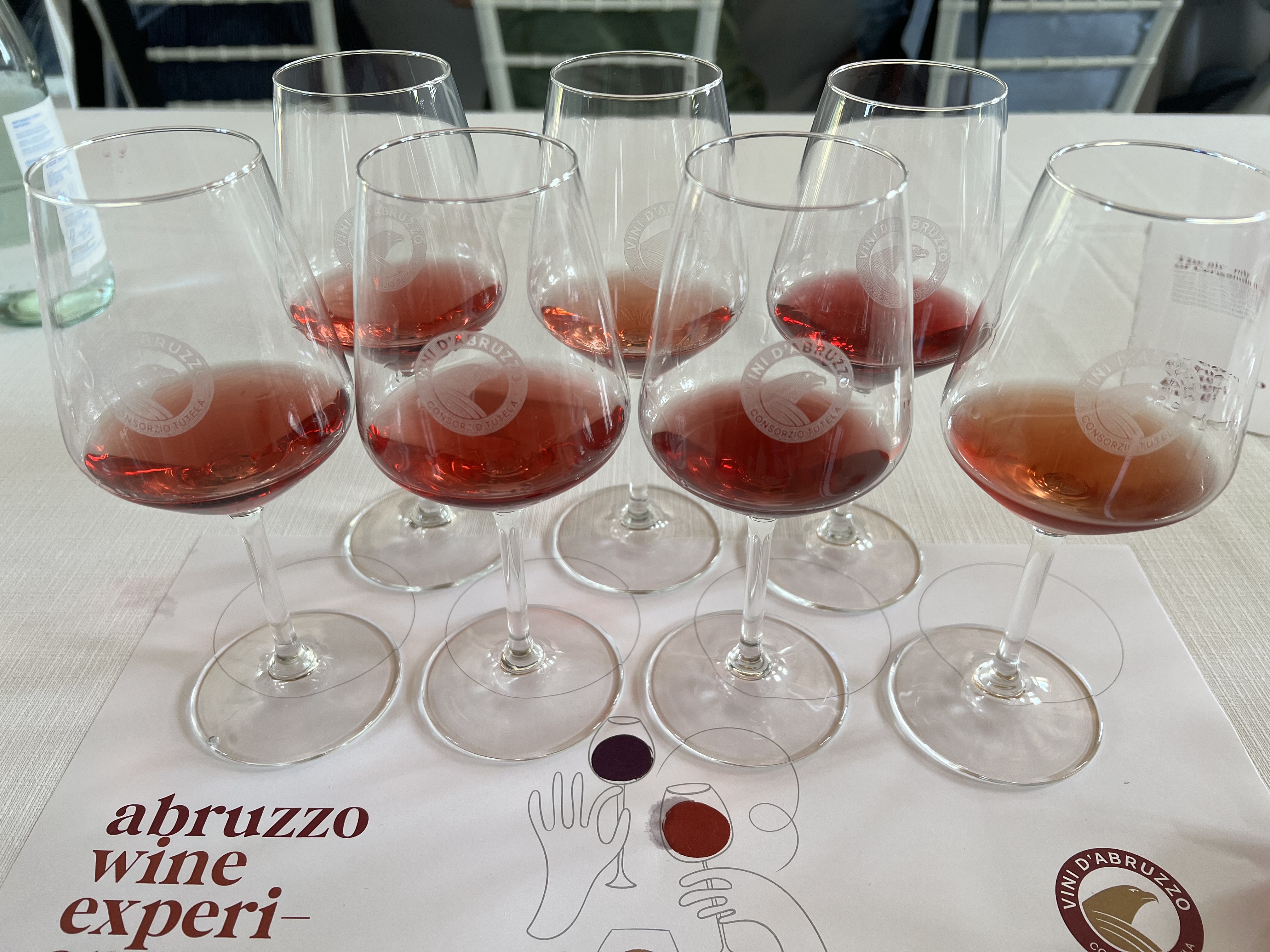
Attending the Vini d’Abruzzo Anteprima
I created this nearly a generation ago because I thought top 100 wine lists don’t make sense in that many give a hierarchy–simply wine number one is the number one amongst all the wines reviewed/tasted. I am not sure how realistic or even sensicle it is to create a list like that. How is a number one or even top 10 list created when it is in a hierarchy–I have looked at such lists and have provided substitutes or even comparables to all of these lists. How is wine one so much better than wine two and so fourth? And I suggest if you see lists like this ask these questions. I have walked away instead of being inspired; I became tired of trying to understand their “logic.”
Diving into Cerasuolo d’Abruzzo
My list is different and I point it out–number one on this list is in alpha order and the entire list is not a hierarchy–it is to look at some superb wines that I wanted to call out as a set of selections. I have given some high scores but have never given a 100 points–I don’t anticipate that I will do that. Some wine reviewers–yawn–might give this routinely but I will not do this. I steer away because 100 might connote “perfect” and I believe nothing is perfect. We might run across “perfect” things everyday but we do not recognize it—but maybe, just maybe things can be good, great, excellent but perfection is one to stay away from because not everyone will agree. Perfection is in the eyes of the beholder.
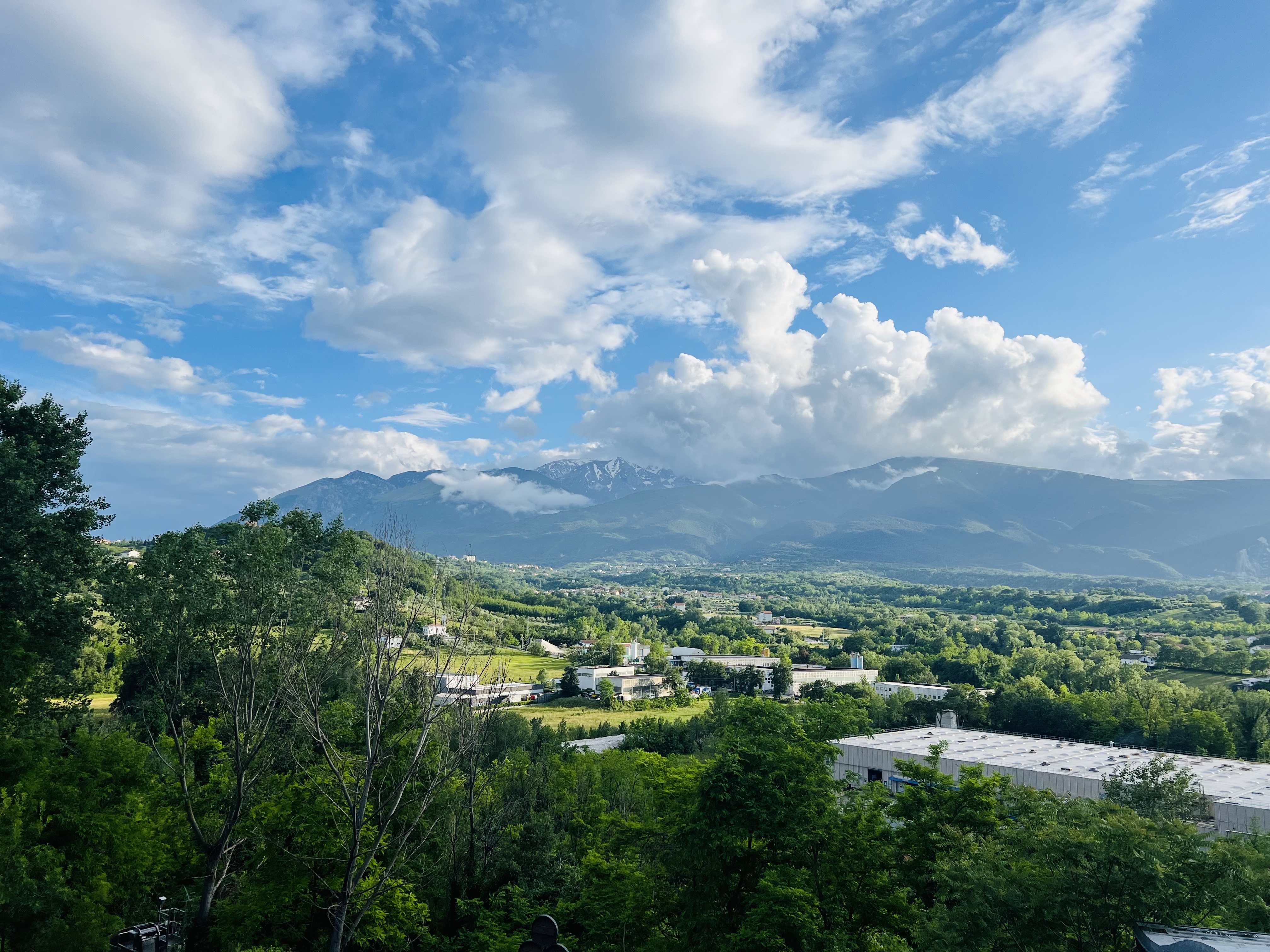
San Martino sulla Marrucina Looking Towards the Appenines – Mt. Amaro
Where do I get to taste these wines–travel is the best way to taste wines and my favourite wine places are the Old World. I do seek those opportunities and as an inquisitive and curious person–wines do come to me and I do may fair share of searching. I go to perhaps an Anteprima in Italy and always taste something new (new producers, appellations and vintages and so forth). I do seek out wine merchants in my travels–I seek labels that I am not familiar with and for labels that don’t export to the US.
I also have wine producers, importers and distributors who reach out to me. I do seek to attend as many events as possible as well. I also know a ton of wine interested people always pointing me to a new wine. I take notes, take pictures, and research wines. I also seek wines that I don’t get to taste from very often in the old world (Germany, Spain, Croatia, Greece, and so many more).
Easily my favourite city anywhere – Venezia – visiting San Giorgio Maggiore
Italy is an amazing state—nation-state and current and future state. A place where newness and tradition is to be discovered. I keep track of DOC/DOCGs I have tasted and those that I am seeking to experience—I have spent a lot of time on the ground and it is exciting that a place can offer so much. Italy is magnetic–it is not just solely alluring but something so familiar, knowable and some aspects that remain an absolute mystery. Italy is a place where I am welcomed not just because I write and review Italian wines–but a place to discover the ever present regional cuisines and wines. I am history buff and endlessly fascinated about this story of Italy that is accessible on each visit.
Cantina Zýmē in Valpolicella Classica -A former sandstone quarry now an a stunning architectural piece
I have sought out more French wines and likewise they have been coming my direction. I need more ‘foot on ground’ in France to taste and discover more of this historical place. I have an open mind on wine and believe it is important to review and rate wines from all places.
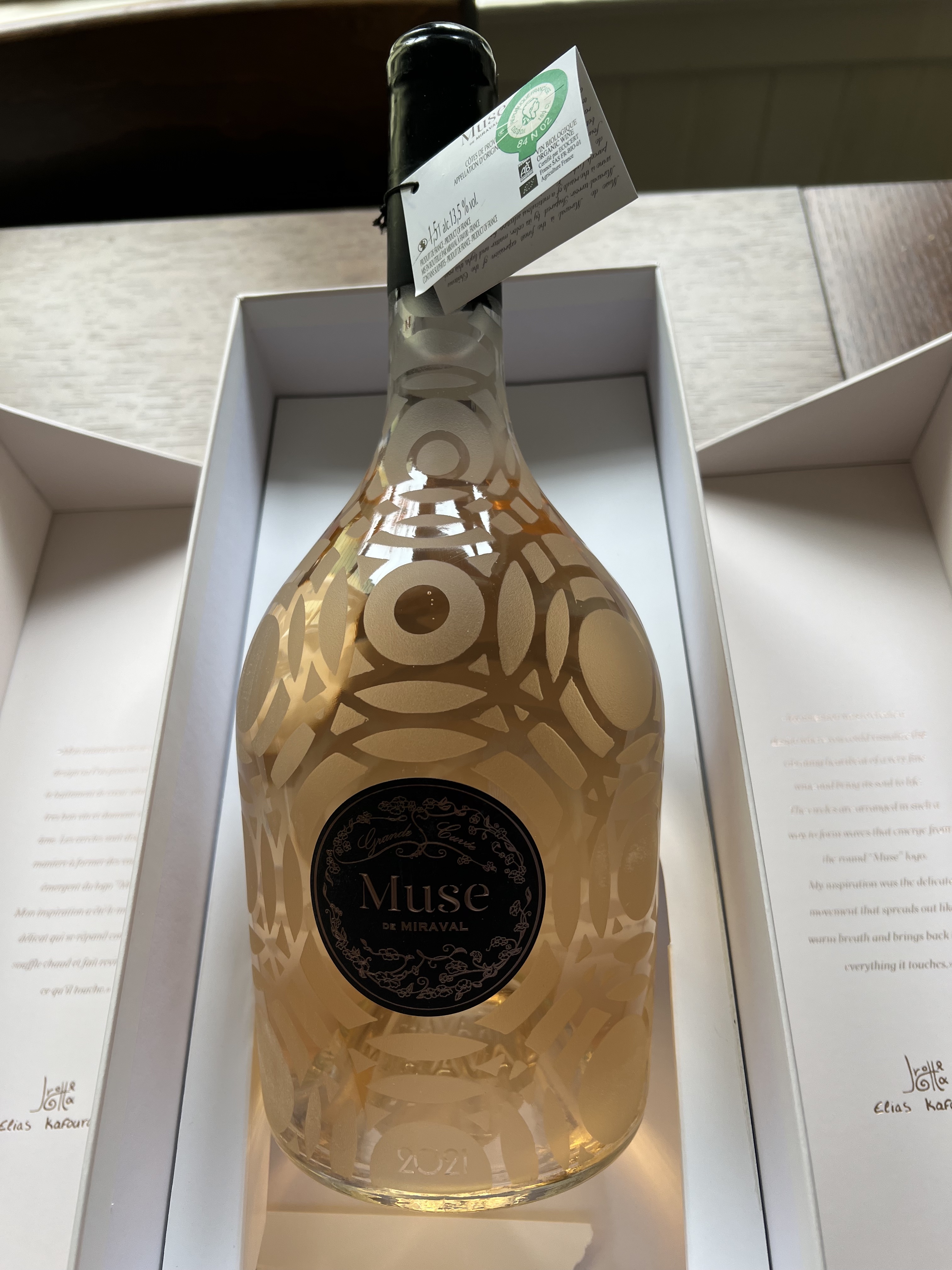
In the quest for more French wines – a once in a lifetime experience of Muse de Miraval
The new world is elusive—and I am surprised it is that way. I do taste mainly California and Oregon wines… but rarely get wines from Washington, Texas, Virginia or New York. This year, I tasted an amazing wine from an Arizona producer of Mimbres Valley New Mexico fruit – Aridus New Mexico Cabernet Franc. As I said in my video review –it is not just a good Cabernet Franc but one of the best from the entire western US that I have tasted.
Southern hemisphere wines too are rare on my tasting table or trade tastings–I rarely get to taste wines from South Africa, Uruguay, Argentina, Chile and Australia. I can count on one hand how many wines from Australia that I taste on a yearly basis. No wines tasted from New Zealand…. What?!?
The world is an interesting place–here iam in Gorizia, Italia and Nova Gorica, Slovenija
This list has a predominance of Italian wines 57.6%, US is two with 19.2% and thirdly is France with 12.8% of wines in the list. I’ll point out that most of the wines I tasted are primarily from these three wine producing countries and in many ways are weighted in terms of how much I tasted to what was represented in the list. I do seek out more French wines and on that quest will continue to make more requests in the future and other wine countries as well. For the first time wines from Serbia, Slovakia and Bosnia & Herzegovina were captured in this list. Greece had 4 wines that made the list as I was able to taste more Greek wines.
I hope you seek out these wines and get to taste some of them by the glass and hopefully if you like them enough you might select for a meal that you are hosting in the future.
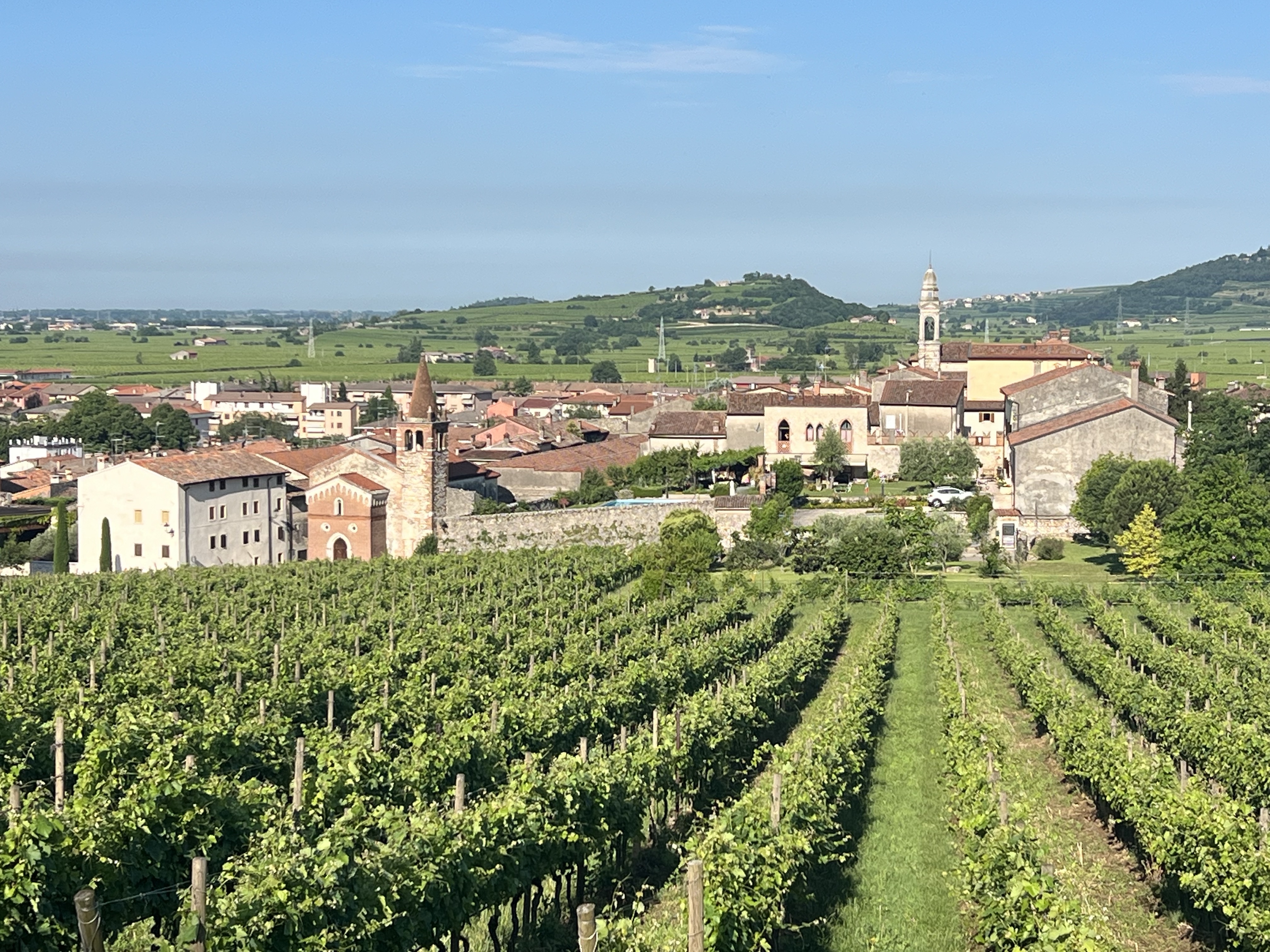
Soave is a beautiful and tranquil town in The Veneto; lovely wines!
I also hope your year of wine enjoyment brought a diverse set of wines from different countries, styles, vintages and cuvées. Let me know your top wine picks and suggestions. Thank you and the best of the holiday season and the New Year to come.
When I mention the “O” word “Organic” there seems to be some contention around it. And even when I have talked about “sustainable” and “biodynamic” it seems that so many people have their own ideas on each of these subjects.
But I cannot imagine a world where each of these items (organic, sustainable, and biodynamic) were not being implemented in wine production today by some producers.
So many wine consumers are seeking very specific aspects in wine today, as an example: organic grape production, low calorie, observing vegan practices, sustainability, etc. I think consumers do need and want certifications to help them in buying products that are consistent with how they buy other products. Wine production like any other agricultural product is not just only about how wine grapes are grown but it does include and not limited to logistics, packaging, use of water, environmental impact and how employees are treated.
Getting products consumers want and that are consistent with their own needs and requirements; which also doesn’t mean skimping on quality. And there is a segment of consumer willing to pay a bit more for products that meet both their requirements and wishes.
I thought I would surface with that topical matter again as I do believe many consumers are perhaps not getting what they want. I believe there is confusion in the marketplace as it relates specifically to organic wines.
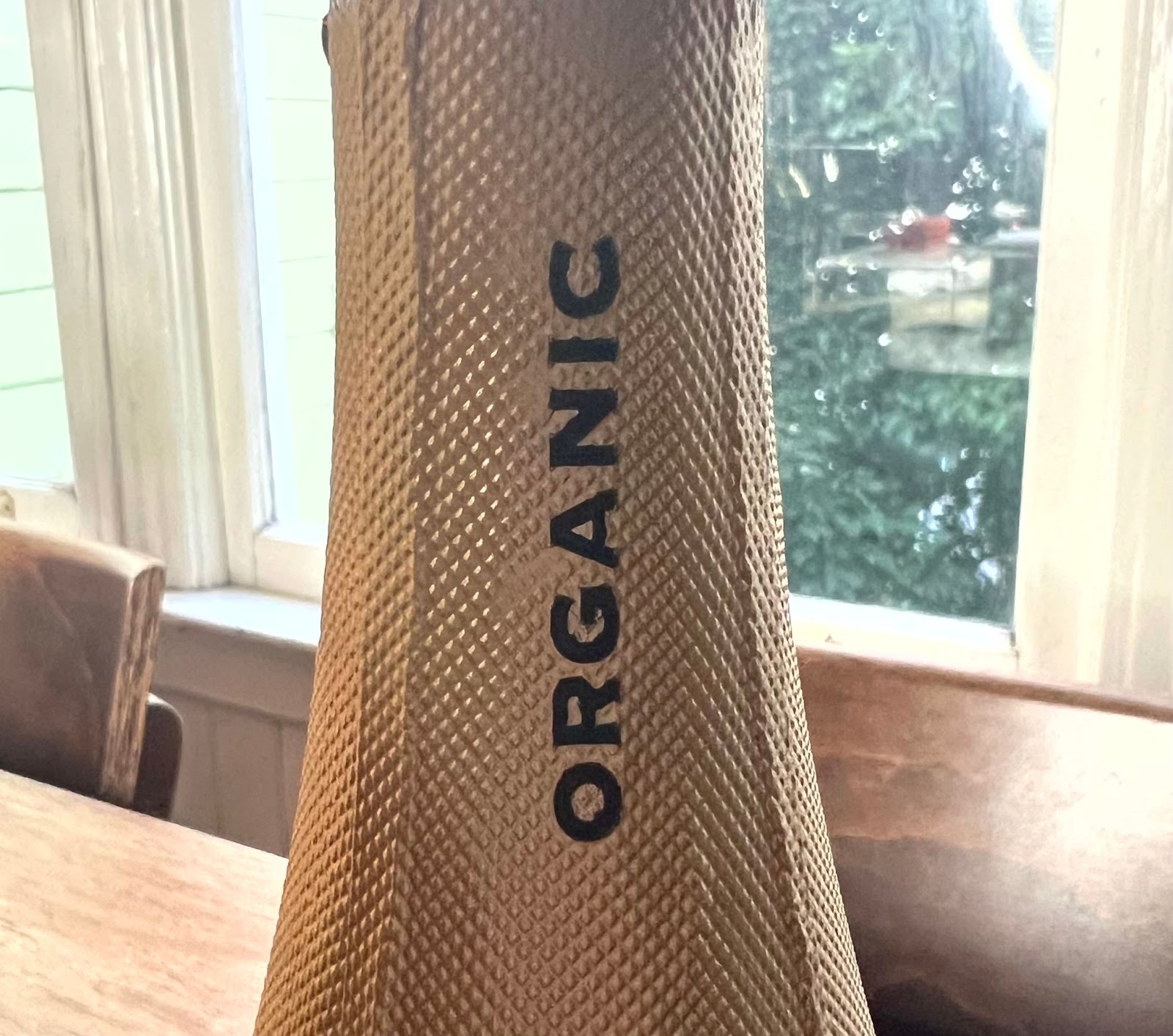
Here is a photo below that a consumer can find confusing and I am surprised it would pass TTB approval. It is made with organic grapes and does contain added sulfites and is not a USDA Organic certified wine.
But in a retail setting a consumer might pick this up and assume it is what they want–it says “Organic.” But it does contain sulfites and it is not a USDA Organic Certified wine. While one segment of consumer accepts this wine as being “organic” as it is made with organic grapes and does contain added sulfites. And yet there are other consumers who believe an organic wine is made with organic grapes and has no added sulfites.
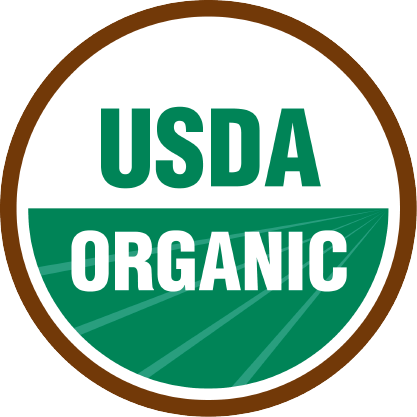
With respect to a food product like dried fruit there is only one way to have a declared USDA organic certification and that is with organic fruit and no additional sulfites. I do suspect consumers might expect that and this is how this food product is labeled as a USDA Organic food product.
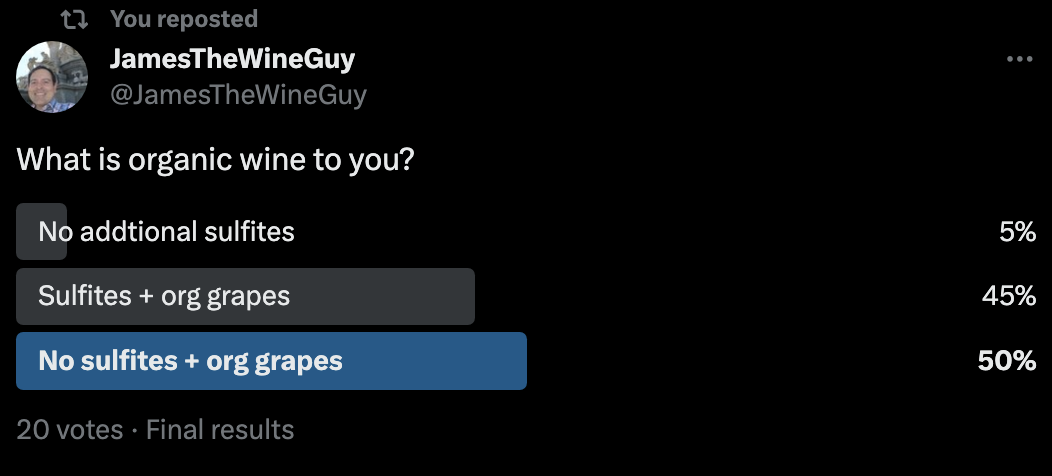
Here is a survey (very small sample) but it gives a flavor of misunderstanding in the marketplace today.
X (formerly) Twitter has a superbly small line character limits
There is no consensus amongst consumers of what organic wine is and I do suspect if the above survey sample had 1000+ respondents that results might not very different than the above.
There are very well educated consumers and I do think some consumers know what is organic, conventional, and natural products. And those that will most likely seek “No additional sulfites and organic grapes” as organic wine and these consumers will certainly take note and perhaps are familiar with USDA Organic on a wine label. But I do think there is a segment of wine consumers that may not know what to look for on a label to meet their expectation.
USDA Organic Wines are extremely rare (according to Generative AI query this represents about .1% of all wines in the US market). There are two large US Departments that have authority over organic wine; primarily the USDA (Agriculture) has to have all of the requirements met before they will issue a USDA Organic certification. And then there is the TTB (which is part of the US Treasury) will approve all aspects of a wine label including organic and “made with organic grapes” but the TTB cannot solely issue a wine label as certified organic without Agriculture’s certificate. But it is up to TTB to have the clearest message for consumers and make certain the distinction of what is organic and what is not organic for helping consumers in getting the products they want to acquire.
Because of the rarity of USDA Organic Wine certification; I do think TTB (and I am sure others might agree) that the call outs of wine labels need to adhere to a strict enforcement of what is an approved organic wine. The wine label (first picture) above is problematic and I do think this wine in a non hand-sold setting a consumer might think this wine is “organic.” What else would someone think when they see this call out? A consumer might feel gratified that they picked up a wine in line with their values. The above image is quite confusing as it has no message saying “made with organic grapes” it instead is easily read as an “organic wine.”
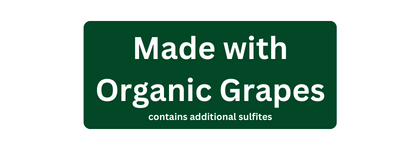
At minimum, there should be no standalone “Organic” message on wine packaging unless it has a USDA Organic certification. I do think a message should be clear to consumers and I propose this message “Made with Organic Grapes; Contains Additional Sulfites” below to always give a clear indication of the nature of the wine.
So few wines are hand-sold in the US today and many consumers purchase wines at their local wine merchant, an online wine site, grocery store or club warehouse–consumers should be given easy-to-read packaging. The above message (green message) is not too long and I think it can help wine consumers decide on the wine they want to buy.
I know many wine producers have talked about the most innocuous items or copy on their wine labels have been disapproved. We have all heard how busy TTB is but isn’t everyone? TTB needs to understand their need to help consumers in the wines that consumers want to buy and marked with the most accurate information possible.
AI is not new – it has been with us for a while–first coined at the Dartmouth Workshop in 1956. While AI is not new it is a hot topic especially in the past two years as noted in graph below:
Interest in AI – Source: Google Trends, 2018-2023, Worldwide
I am not in the AI ‘scare camp’ as being the ‘end of everything’ but I am much more so in the ‘careful, judicious, and realistic’ camp. I have seen demonstrations that were compelling and I do use and test AI products more than I ever have before. And I do see cautionary notes about potential inaccuracy in AI output; as well as an abundance of caution by those who use it for teaching.
So when I am speaking of wine and AI, it is not just from reporting on the marketing outputs of a wine producer but the totality of operations of a wine producer. Wine producers don’t have just PR, media, marketing and influencer functions; the core of business activities go into areas less covered by many wine journalists.
A wine producer additional business activities include:
HR
Finance
IT
Regulatory compliance
Supply chain
Logistics
Viticulture & Viniculture management
While AI is a hot topic and even with news stories (as shown below) it seems all we have to do is ‘get to it’ and start using AI right away. But there is much more to the subject of AI and wine than just an immediate adoption.
“…AI will be a game changer”
“AI & Wine: An Unlikely Pairing for a Perfect Vintage”
“How AI will Revolutionize the Future of Wine”
There seems to be no issues or downside with using AI in a wine business by the articles glowing titles. But there is a sense of “if something sounds too good to be true it probably is.” And yes there are plenty of stories about the downside of AI as well. AI as a ‘Game Changer’ and ‘Revolutionizer’ is way too early to see if AI will be this leap forward and worth the vast expense they promise to be.
The questions I have are more practical and I see AI’s shortcomings that are apparent already. The use of AI-generated scripts or edited videos are apparent on YouTube today. I have experimented and found the realities of AI to be quite limiting, inefficient, and low quality output. So to use HR performance management parlance AI so far “Partially meet Expectation.”
There are some fantastic YouTubeshorts: there are YouTube producers who craft compelling ‘shorts’ and do so from scratch and then there is equally a large number that have been created with the aid of Opus Pro, Clips AI, Qlip.AI, Vidyo.ai etc.
The repurposing of video content is to take long YouTube videos (longer than a minute) into easy to consume one-minute clips. Generally, each video repurposed will take a long video format and create one-to-many one minute videos (edit, caption and score). Sounds like a superb use of content and to maximize exposure of videos but you’ll see the reality is different as I described my experience below.
My experience:
I trialed one AI video product and had no opinion of that particular product prior to testing. Here is what I did: I had a 90-minute trial (which means the total time of videos submitting for repurposing) and used up the entire amount for two different video types – 1) wine and 2) business. I wanted to see if either type had a higher success rate.
Here are the results:
I received an output of 51 videos clips and evenly divided between wine and business topics
I receivedonly 5usable video clips: 2 wine videos and 3 business videos
Usability rate was under 10%
The AI product scored it in 90+ range meaning a high rate of success and viralability (a higher than average click and total watch time rates) of the 5 published videos
The performance of the YouTube shorts performed approximately 50% less than non-AI shorts (generally YouTubeshorts perform best upon release and do not behave as evergreen content)
Given the amount of time I had to use to review each video for quality and usability and even additional edit work I had no time savings whatsoever. AI has a hard time to distinguish “Palate”, “Palette” and “Pallet” and almost never picks the right word for brand names, wine varieties, place names and more
While I am judicious about videos that I upload to my channels I am not so sure other content producers are; we have seen an intense growth rate in YouTube shorts. Some of the content is so incoherent that I am not sure the point of those videos. YouTube is aware of this practice of AI generated content; and the question is what will they do when this content type will be so dominant that it renders the category “shorts” meaningless i.e. reduced click/view rates. There is still a rich reward for AI sharpened content through algorithmic recognition and highlighting this content in search and next video recommendations.
I am not optimistic that YouTube’s algorithm will stop highlighting AI-generated content anytime soon. So if content is not AI generated the closest thing to mimic the algorithmic experience is captioning and super tight and fast paced editing.
I am using software to help transcribe for captioning and it is completed in the 70% range of accuracy meaning I am missing one quarter of content accuracy; it is very time consuming to view each captioned frame for accuracy (and make updates/edits). So I am doing captions as sites like YouTube, Instagram and so fourth do captioning but it is hard to read and not compelling and also has issues with accurate captioning as it relates again to brand, variety and geography points and more. So many people might read the captions as a way of consuming video versus listening and watching. I have not seen any time savings whatsoever from AI as it relates to my video production.
***
But this is not where the story ends…
AI’s potential pervasiveness in the wine business has not yet had a profound impact. And as I stated above there is so much that AI could do in any organization.
There are a number perspectives to keep in mind:
Accuracy: I hear all the time AI “is learning” and improving all the time in terms of accuracy. But I do find accuracy to be a concern. While I have expertise in several areas I can quickly pinpoint problems with an AI generated “answers” and know that it is not accurate or comprehensive. I have had to ask many permutations of my query to hone in on the most accurate answer. AI systems are only as useful as the input is accurate and can be utilized for a potential approach or even solution.
Expense: AI is not cheap; both in actual costs and cost to review output. For actual costs will, of course, depend on the SaaS AI product you will be utilizing – one model is to bill in terms of minutes purchased (the new long distance calling rates). Because minutes are the business subscription model, the costs are quickly consumed and the resulting work may not even be at a 50% usable rate (I suspect that number is half of that perhaps in the 10-25% range). Also, the cost of inspecting work or having someone that works for your organization costs money in terms of their salary and benefits–and ultimately it is now more work than was present before AI. AI will not be equivalent to the old fangled objects like a VCR or even a microwave that came down in price after mass adoption. Technology expenses, at least, in the business sector has doubled in 10 years to $567 billion dollars.1
Energy: AI is expensive because it takes a considerable amount of energy to complete an AI query which can use between 0.0017 and 0.0026 KWh of electricity; compare with a Google query which is 0.0003 kWh (note this is a reported number by Google itself). If a wine producer is working towards reduced-to-zero emissions how does this fit in with the producer’s overall plans responding to earth friendly commitments?
Explainability The ability to understand and interpret the predictability ascertained by AI models. How does AI determine one potential approach or answer over another? It is hard to formulate or even understand how that was determined. Also, is there enough of a data model for a wine business to make the best use of AI and does AI provide the best possible solutions now and ongoing?
Reliability: I have engaged software providers and of course their SLA time shows they are up 99% of the time, however, reality can be quite different. Try to prove this can be difficult and providers will often say they are abiding by their SLA. I was using Open AI on September 26, 2023 and there were issues when I was using ChatGPT:
Open IA downtime on September 26, 2023Open AI downtime on September 26, 2023
There are many other issues that AI needs to address to be considered a trusted and viable solution for any enterprise large or small. Below is a graphic I created to look at the large landscape of issues:
And these are top level problems and there are many more than can be very specific to a wine producer. Perhaps not enough data for an AI product to give meaningful or even realistic responses to an issue.
Think of an HR ATS (applicant tracking system) and overfitting. Ahh overfitted (a very AI term) that describes how narrow a search might be for a specific open FTE position and candidate pool. While the intent is to get a qualified candidate a whole pool of candidates might be eliminated where they might be completely applicable. Overfitted ATS might identify a talent pool that is lacking in diversity and inclusion, poor experience by the applicant community, potential ethical and legal liability and increase in employee turnover amongst other issues.
And there are many business needs a wine producer has and if engaging AI might not increase efficiency and add an overall business expenses without increasing profitability or being able to get more work done. A perpetual motion machine has been tried many times before and all have failed. AI like any other system or software does not take care of itself or maintain itself i.e. there are no perpetual motion aspects to AI – it requires considerable maintance plan.
The rise of AI does not necessarily mean we have a revolution before us and perhaps a system-by-system potential. Instead of a revolution it will be an evolution in some AI application in a wine business but not be a universal and total AI deployment in all aspects of any business.
I remain in the “wait and see” sideline to see if AI will be all that it promises to be. Tempting for a wine business to engage AI but note that the benefits are much less than a promised “revolution.” and like any other innovation will need to be managed
My eyes have been widened by my recent testing of AI for video production and less-than-excited as it certainty hasn’t lived up to the hype. And ChatGPT, the AI darling can be helpful but I do have to do numerous queries to get to an accurate answer. I am very curious about ChatGPT‘s explainability and my repeated refining and repeated queries gets to a decent output but it takes considerable effort: how or will this ever be improved?
Answers and approaches take great effort and human knowledge: sifting gold from sand. I would urge testing of potential solutions to see how it might benefit your business before fully deploying an AI solution in your business or endeavor.
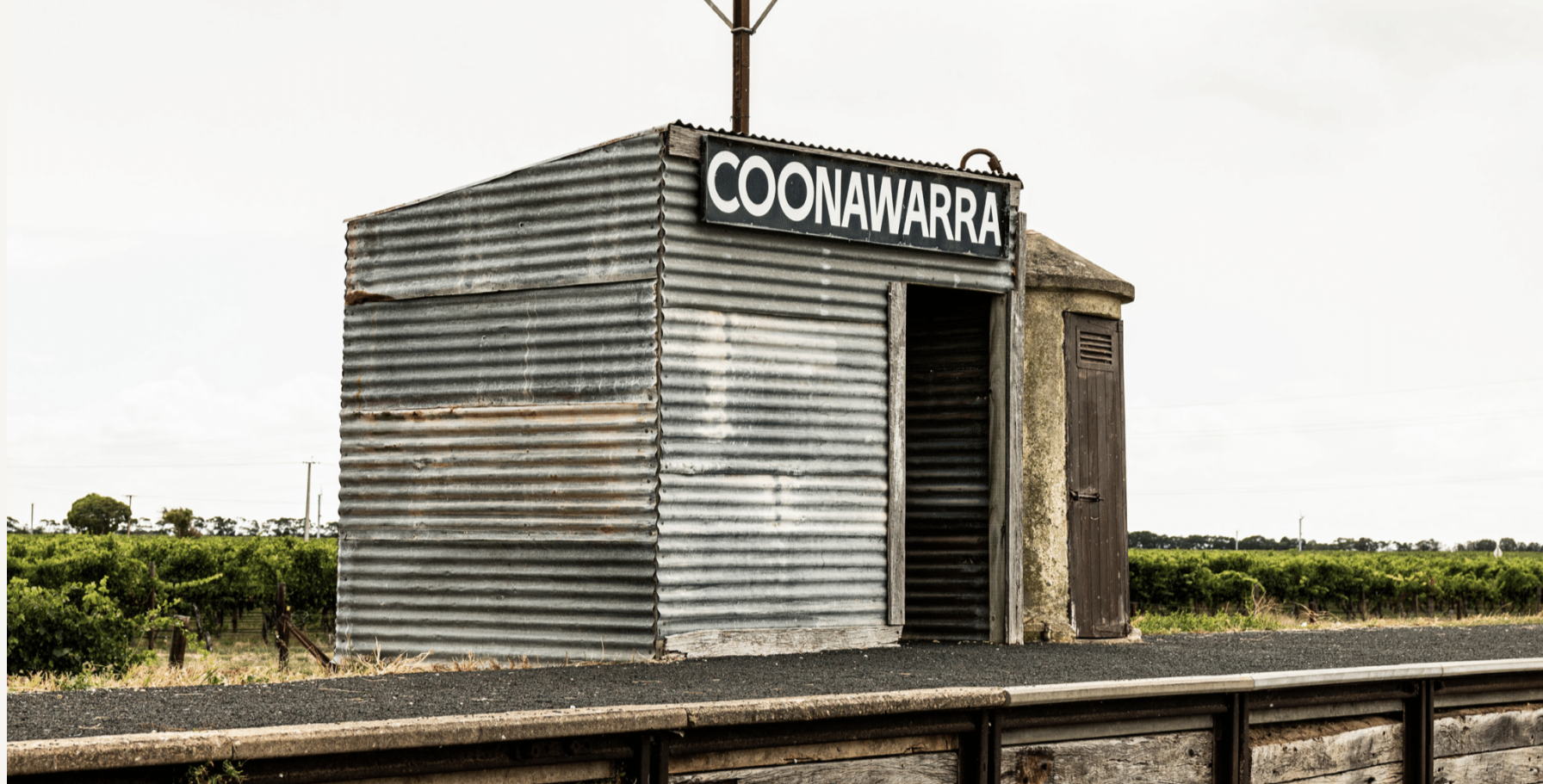
I have always been interested in Australian wines and Australia in general. When I first moved to San Francisco, I would go to a small wine merchant in my neighborhood of Cole Valley and pick up a bottle of Wynns Coonawarra Shiraz on many a Friday–it was reasonably priced wine and a delightful bottle of Shiraz. I was allured to taste as much Shiraz as I could find. And luckily, I found the Australia Day tasting in San Francisco where I expanded my tasting experience and was able to taste other varieties like Chardonnay, Cabernet Sauvignon, Riesling and Pinot Noir and more. Sadly the Australia Day tasting ceased and since then it is a rarity year-over-year to taste Australian wines. I certainly taste as much as I can today and look for opportunities to taste wherever and whenever possible..
I still have my proposed itinerary for Australia for my sabbatical year of 2016 and had planned 12 European countries and 60 cities tour and I thought I could fit in Australia….. Needless to say it didn’t happen given our very short 24 hour days and complexity of travel: unfortunately I had to take Australia out of my travel plans for that year. So hopefully, I can double click on that Australian travel itinerary that I create one day.
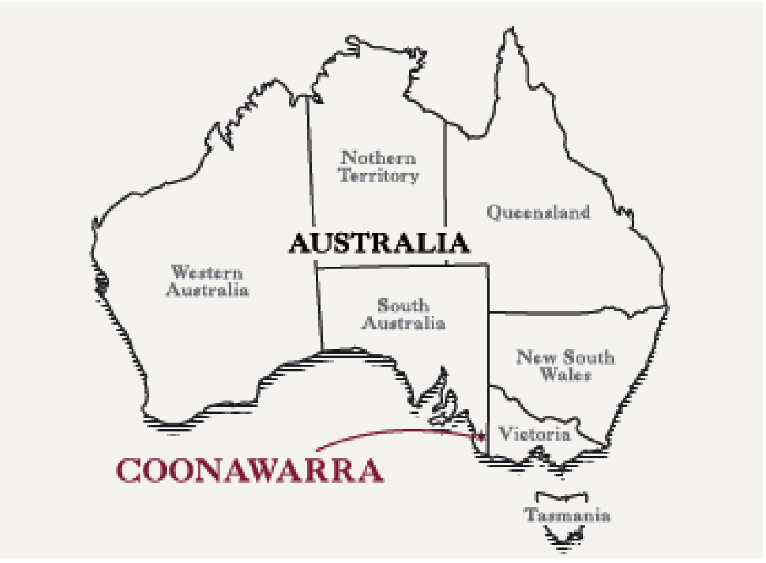
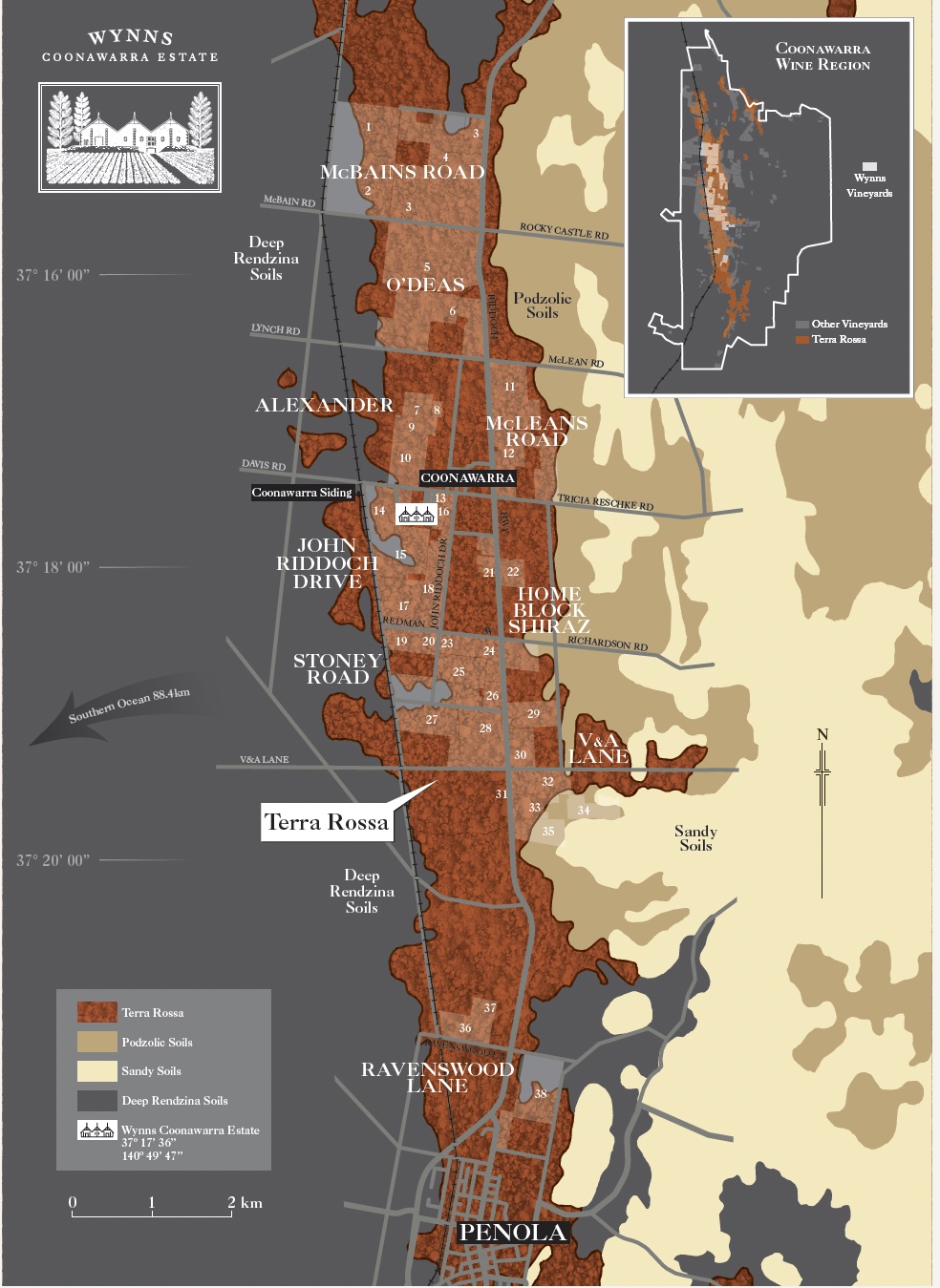
I had the opportunity to interview Sue Hodder and delve into Coonawarra Cabernet Sauvignon and to learn more about Sue and her experience as a winemaker at an historic producer; and noted for their flagship wine the John Riddoch Cabernet Sauvignon. John Riddoch often scored by top wine publications and reviewers consistently and constantly in the upper 90 point score band. I looked at my wine tasting database and I haven’t tasted it yet but will do so shortly. I look forward to tasting this highly acclaimed Cabernet Sauvignon from the red soil of their Coonawarra Estate where only the most select estate fruit (1%) makes into the John Riddoch bottling and on 70 year old rooted vines not grafted to other Vitis species and aged for 17 months in (23% new, 45% one year old and 32% 2 year old) French oak.
I am glad to make sure in my interview series that I reach many producers and professionals in all regions in all aspects of wine. And now I am delighted to have Sue as my first Australian winemaker in my series.
JTWG Question #1
Can you give readers your background and how you got to winemaking? And can you talk about your winemaking experience in terms of regions and varieties?
Sue Hodder:
I first got into winemaking by means of studying Agriculture. I grew up in Alice Springs which is in the centre of Australia, and I came south to agricultural college. Roseworthy College also has a wine programme – similar to UC Davis—so I saw all the wine students “plonkies” having a great time. I finished studying Ag science, travelled overseas and then ultimately went back to Roseworthy to study winemaking.
I love winemaking because it involves the soils, the environment and the seasons to ultimately give us a great product. I have had a wonderful opportunity to be involved in such a traditional yet dynamic industry.
JTWG Question #2
Australia is synonymous with Shiraz (and I love Australian Shiraz) and I have said many times before that Australia is a trailblazing wine production nation-state. Wynns is well known for award winning and acclaimed Cabernet Sauvignon – what is the genesis of this distinction?
Sue Hodder:
As far as grape varieties in Australia go, it’s true that Shiraz is the ubiquitous variety, but it is a chameleon. Wherever it’s grown it reflects the terroir or environment so Shiraz can be anything from very light to big full-bodied wine. Our Coonawarra Shiraz has red fruits and spice and is medium bodied but still cellars beautifully for decades. But it is true that Coonawarra is best known for Cabernet Sauvignon. Wynns has an amazing Cabernet heritage with a 66-year vertical of our Black label Cabernet. Our wines are widely collected and cellared. I’m always delighted when I see the old bottles turn up around the world and if they’re being well cellared, they should be drinking well.
JTWG Question #3
What makes Coonawarra the well known wine producing region that it is? (Climate, soil, etc.)
Sue Hodder:
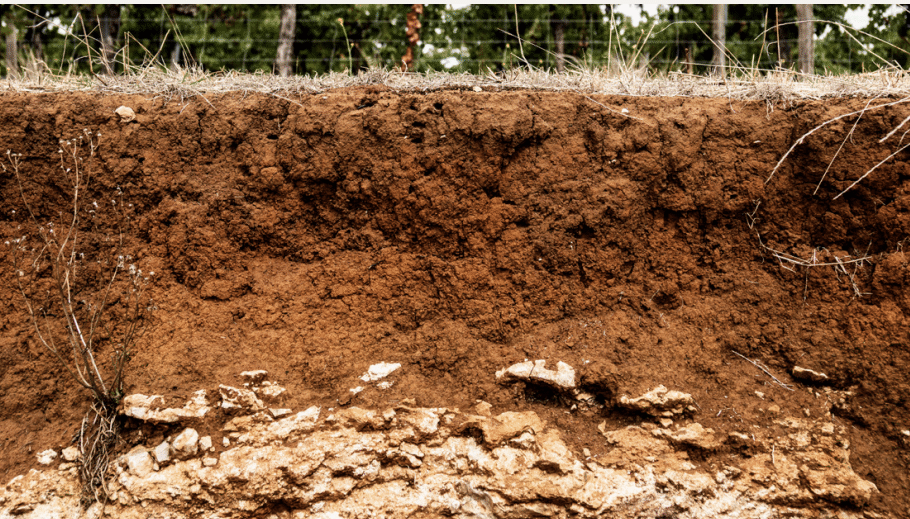
Our oldest Cabernet vineyards are now 70 years old, grown on their own roots because we haven’t had phylloxera here. We think the variety and the synergy with the Coonawarra environment is very special. It a beautiful region to visit “off the beaten track” as we say, and most Australians don’t know where it is. Almost equidistant between Adelaide and Melbourne. Significantly, it’s in the South and the relevance of that is that it’s a cooler climate because it’s influenced by that big water mass of the Southern Ocean. That is very cool water and when the wind comes off there it really cools the region down particularly at night. So, it’s the combination of that cooler climate and the beautiful Terra Rossa soil that makes Coonawarra special. It’s important to point out also that Coonawarra was the first region to be planted or identified as a viticultural area in Australia for its physical characteristics – not just proximity to a big city. This lovely red ridge of ancient coastline – limestone-based Terra Rossa soil – gives us the characteristics that we’re really looking for. Therefore, the combination of the climate and this soil add to the suitability of growing and making great age worthy cabernet.
Wynns Estate and Soil ZonesTerra Rosa Soil
JTWG Question #4
What Cabernet Sauvignon clones does Wynns produce?
Sue Hodder:
Wynns has about 13 different Cabernet “clones” in our vineyards. Many of them are not clones in the strictest sense but selections because they’re so old, but we do have some commercially available clones and of course they reflect the site or the vineyard where they’re grown. Our old vines are the ones that we value the most. We’ve chosen them through their ability to make beautiful wine over many decades (and that is important) but it’s important to have a diversity of planting material in the Terra Rossa vineyards.
JTWG Question #5
What is Wynns Cabernet style – New World, Old World?
Sue Hodder:
Our style is our own really. (I know everyone says that) Wynns Coonawarra wines are different from our neighbours in Coonawarra and we’re not really old or new world. For example, we don’t have the big, sweet fruit that maybe some people are expecting from what I call “new world.” We make a medium bodied style from old vines that ages well. I would say that we have our own style and most people will agree with me when you try that often they are mistaken for old world wines in a line-up.
JTWG Question #6
Can you talk about any certifications (organic, sustainable, biodynamic, etc.) or even practices that Wynns observes?
Sue Hodder:
The Wynns vineyards and our winery are Sustainable Winegrowing Australia (SWA) accredited. That programme involves improvement every year. You have to strive to do better with everything. In the winery with all our inputs and then waste and in foremost in the vineyards. We are sincerely trying to protect the soil and leave the whole environment here in a better place than when we first arrived. That is something we strive for in everything we do.
JTWG Question #7
I did an informal survey amongst my network and found that most had never tasted an Australian Cabernet Sauvignon – seems like there is a great opportunity for people in the US in particular to discover varieties like Cabernet Sauvignon, Chardonnay, Riesling, Pinot Noir and other varieties – (Australia I think may be the only wine producing nation-state that produces almost all commercially produced wine grape varieties) – what might aide in consumers to taste Coonawarra Cabernet Sauvignon?
Sue Hodder:
Australian Cabernet Sauvignon is truly diverse in such a big, established viticultural country. I am aware that there are some pockets of collectors in the US that know our wines. We love the fact that we’ve been in the USA—in a small way—for a long time. Our John Riddoch flagship wine is on sale in the US at the moment at and we were delighted that people have contacted us (social media) to appreciate the wine being in the market again.
JTWG Question #8
Regarding enotourism, what regions should be on an itinerary and why? (Australia is a vast nation and just looking at the wine regions there are more than most might expect–I like at an Australian wine map and I do not know where to begin)
Sue Hodder:
Given that we live in such a pristine region—tourism is certainly part of our story—visitors can choose to arrive in Melbourne and drive across along the great ocean road and visit Coonawarra then head on up to Adelaide. That would be a beautiful trip by any definition. Our geology is based on World Heritage listed caves and we have a beautiful coastline. It’s an agricultural area with lovely food and plenty to do and see and most people that come here will find it’s not overrun with tourist buses.
JTWG Question #9
What are your favorite dishes with your Cabernet and other Wynns wines?
Sue Hodder:
Regarding food, my favourite pairing with Wynns Cabernet is salmon. I find the fatty texture of the salmon and the fine tannins of our medium bodied cabernet, just a beautiful pairing.
When I do the tasting notes each year, I do a different version of salmon to suit the vintage of the wine.
JTWG Question #10
What is your favourite book on wine?
Sue Hodder:
I have many favourite wine books, but importantly, there’s a new book being launched later this year. Andrew Caillard MW “The Australian Ark” which is a definitive reference over three volumes. It tells the whole Australian wine story from 1788 to present. I haven’t seen the final editions yet, but I have read some chapters that involve Wynns Coonawarra and I understand it’s an amazing book.
I greatly appreciate Sue Hodder’s time to respond to questions to help give an expansive view of Coonawarra, Wynns, Wynns Cabernet and more. I often look at wine regions on labels and in many ways they seem to be just a name (an abstract place) at first. But when I delve into the subject matter, I find the region more real and a place of distinction and a raison d’être. Most wine countries are beautiful and represent not just a snapshot of now but an evolution of time and a place where we can appreciate the delicateness of earth and get the opportunity to experience wines that each wine country gives to us.
Thank you and be sure to subscribe to see my wide diversity of wine topics including interviews.
Thank you,
James, JamesTheWineGuy
Photos in this article are courtesy of Wynns Coonawarra Estate.
I am hardly the first person to complain about heavy wine bottles and I will not be the last. A heavy bottle does not help to store wine any better than a lighter format; there is no quality difference. During the Pandemic, I kept hearing about the great wine bottle shortage and some producers said they resorted to a heavier bottle as that is what was most available and they could not access a lighter stock.
A heavy bottle is not just a journey from a producer to a distributor or a consumer’s home; a heavy bottle encompasses the bottle traveling from where it is manufactured to the respective producer and then it can go to a distribution or fulfillment center to a home or to an on or off-premise business. In 2023, I am still receiving at least 8-10% of wines in heavy bottle formats (and no decrease YoY). I keep thinking this number will decrease and no matter how we talk about sustainability and green packaging this has made no difference with some wine products. I have been on calls with other wine journalists and this issue does come up and producers might wince when they hear these comments and sometimes they assure they are making the change to lighter bottles.
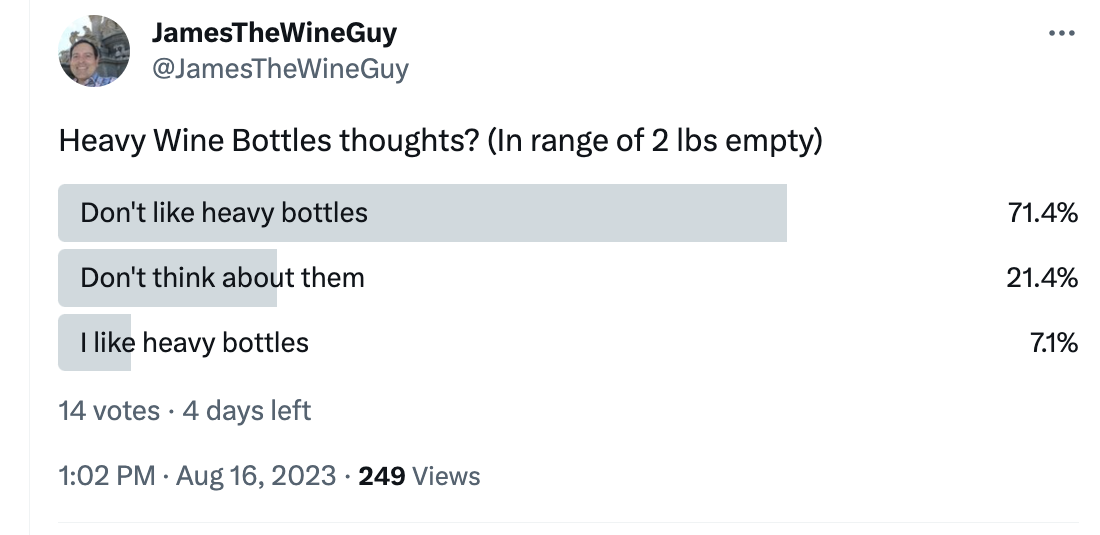
I posted a survey (below) asking what people think about bottle weight size and (though not a large response rate) it does show that the majority of people are not in favor of the heavy bottle format. But even in this small population, approximately one third either likes or doesn’t think about bottle weight (I do think this is a high number). A small bottle format doesn’t diminish wine quality and certainly producers or shippers would see smaller shipping bills (while producers have high shipping costs they do have negotiated rates and while a savings might be small–it is still a savings).
Here are some bottle weights I have found (some could be slightly lighter but not much more so and unfortunately heavier than 1000 g.):
450-500 g/bottle / .99 -1.1 lbs – light to standard bottle format
1000 g/bottle / 2.2 lbs – heavy bottle format
Using a carbon footprint calculator and perhaps taking a conservative number like 100,000 heavy wines bottles manufactured in China and exported to California. Also let’s say (as shown below) how replacing heavy wine bottles with lighter weight bottles would look like for a carbon footprint savings:
100,000 Heavy wine bottles – 2.2 lbs / 1000 g. = 7817.27 kg CO2
And replaced these with lighter weight bottle:
100,0000 Lighter wine bottles 1 lbs / 454 g. = 3556.15 kg CO2
The CO2 savings is approximately 4261.12 kg – Imagine a world (sounding like a movie trailer) that we could realise CO2 savings routinely based on lighter bottles being utilised and most of all no one would have a decrement in wine quality or enjoyment.
I think the above scenario is very conservative and I do think the CO2 savings is higher–there is a dependency on factors such as final destination of wines and those calculations will be higher that this minimum savings amount illustrated above.
But these are estimates from manufacturing country to importing country and this estimate doesn’t include potential savings of when it is shipped throughout the US. Now 100,000 heavy wine bottles is no doubt a small number which represents approximately 8,333 cases–I can imagine the total usage of heavy wine bottles is many, many multiples above this number (100,000 wine bottles).
I have researched and have not been able to obtain any data on where most of the heavy wine bottle formats are produced – I am aware of production occurring in the US and China. I also looked for how much is produced and utilized by wine producers annually and, of course, there are perhaps estimates but I cannot confirm any numbers showing what the usage of heavy wine bottles might look like.
I do think this is a quick hit for both planet and wine producers to implement using lighter wine bottles but just because it seems like a quick hit I am not optimistic that will happen. Furthermore, I am not optimistic that heavy bottles will become obsolete in my lifetime! I am also not optimistic that heavy bottle formats will be regulated out of existence. Consumer product packaging is not just about wine but other consumer product categories and no doubt an army of lobbyists will keep that from happening. But I am hopeful that consumer expectation is what will save the day by expecting and demanding lighter wine bottles.
I have revised my Sample Policy this month (August 2023) and I will no longer accept and review heavy bottle format wines. I need to act accordingly to what I am advocating. I do think that the more consumers and even wine reviewers start to make their preferences known that the use of heavy bottle formats might come to an end sooner. This is no longer a trend of using heavy wine bottles; it has become an acceptable format in our market landscape today. But I do think if a producer is looking at organic, sustainable, and biodynamic practices the wine bottle is a great place to start (it is after all how we get to experience almost all wine today). There is no better statement than aligning to potential current wine production practices in highlighting a vineyard-to-table landscape of transparency and good will.
A large part of both my writing and videos on wine will inevitably point out if a producer has any certification with respect to organic grape production, sustainability and other relevant certifications (that a consumer might want to know about). Little controversy on certifications for vegan or Certified B corporations but more contention for certifications for organic, sustainable and biodynamic wines.
The topic of organic, sustainable and biodynamic practices and certification is an area for contention where there should be little to none. I have received a good number of communications, mainly criticizing me for highlighting some specific certifying bodies in my writing and videos. Some of the people criticizing me, I know and thought I was a friend and perhaps a note to me might facilitate a dialogue instead of solely criticism (for which I do not know their objection). I think consumers are trying to do their part and buy responsibly and being sensitive to environmental and related concerns for their wine purchases. Few consumers would say they want less information on wines they are buying, most would say they would welcome more information. But the vociferous ones about wine certs are not wine consumers.
—
This summer, I met a self-proclaimed “expert” in organic wine production. I am interested in this subject and was interested in learning from this person’s “expertise.” There was a lack of dialogue with me on organic wine productions but more of a pontification on their very specific views. I did state concerns for all types of agriculture and all consumer products. I talked about the Paris Climate Accord and much that has been reported on this subject; countries have vowed to ramp up their pledges but few have met their pledges. I suggested this is a topic that should be addressed by signatories to help spur momentum and perhaps there was little progress being made. I was given a blank stare. I did ask if wine was the worst offender in their view—trying to get any feedback or assessment and to hone in on their main or even minor concerns. I could not assess where they were on their stance and my queries were not responded to. I also asked if wine was the only industry to look at for ecological and environmental practices in the consumer space and if it was the most egregious of all consumer products. The person just didn’t have any points they could summarize or delineate.
I was hoping for insights or even the current state of the wine industry with respect to organic and sustainable wine production. I did ask the question of costs as this person brought up technology and I asked what the price was for a small or mid-sized producer when engaging technology aides or solutions. Was the technology solution out of reach for many smaller producers? Again a blank stare. I gave up asking any other questions because anything I might ask was not worth answering from this person’s view point.
Many producers have been promoting green standards and producing wines not just for “good” business reasons (and some are not just ‘early adopters’ to use a phrase by a former professor of mine Everett Rogers) and some producers have been earth interested for some time. And some producers are not even at the table whatsoever.
The wine industry is not uniform and it is made up of thousands of producers spread through many nation-states and some parts of their industry are standing for sound green practices and some don’t share the same philosophy.
I was on a winery tour this summer and when an organic wine “expert” railed against producers who had organic and sustainable certifications. This “expert” I guess had never visited a wine producer in person and was unprofessional to them and all of the wine writers present. I have never seen such behaviour except perhaps a grade school squabble.
This individual proclaimed themselves a leading expert in the world. I found this person did not like the producers’ answers and found exceptions to everything they had to say. I do think this individual would have been unhappy even if producers stated everything this person would like to have heard. I was mortified as well as other wine writers around how this person made some very impolite remarks about the producers’ hospitality staff in addition to their viticulture. This person behaved the same way with each producer we visited.
There are sometimes very vocal and verbose individuals who like to show their “superior” knowledge and that everyone else is wrong or their pedantic beliefs are the only ones that count. Some people still don’t understand that bees love honey not vinegar–it is wise to build bridges, develop and forge friendships. I am not sure why there is contention expressed by some people on a subject matter that many people are interested in–producers, consumers, journalists, etc. and that are supportive of organic, sustainable and biodynamic practices.
I think many producers are being as sensitive as they can be and acting on their beliefs. The entire industry is not a green offender but not all producers do the same thing. I think consumers are seeking out brands that identify with their core beliefs in all consumer categories. And when I review a wine, I like any other wine writer points out the features of the wine–a pretty standard way of talking about a wine.
I have found it curious that some people feel the need to be vociferous and offensive on their very specific view of organic, sustainable and biodynamic wine production and dismiss the views of others. And I am not sure the point of alienating allies and supporters for earth friendly ways of producing wine? What is it about this category that fuels contention especially when they are with people who do support organic, sustainable and biodynamic wines?
I am not a spokesperson for any wine certifying body. I will continue to mention if a wine has any certification as part of the review process of wine features. Many consumers would prefer as much information on the wine they are drinking as possible versus less.
There are 377 “official’ wine grapes in the Italian Wine Grape Registry (MIPAAF) and an estimated wine grape varieties of up to 1,000 varieties. Italy’s wine footprint is huge—the largest wine producing country in the world. It is nearly impossible to not see Vitis vinifera vines somewhere even in the most casual of visits to Italy.
I look at Italy’s state of its wine grapes; it is a state of complexity of history, climate, microclimate and experience. Without Italy’s history and admixture of trade routes/paths we would not have the plethora of wine grapes that we have today. Also, in Italy there is a spirit of maintaining autochthonous varieties. Also our grape curious world has partnered to save native varieties of Italy by people seeking these wines.
I’m not sure I need to expound the lovely qualities of visiting Italy–who doesn’t know that? I prefer to stay in rentals like VRBO, AirBNB, etc. as I can select a property near where I want to be. I want to stay in a rental for simple things like a larger refrigerator, wine glasses, wine openering, sometimes a washer, ample space and you get to stay in a neighborhood.
I do stay in quite a number of rentals near train stations (not always) and I know that is not everyone’s ‘cup of tea’. But for me, I have found some train cities that are fine and others I would stay much further away in the future. I have come to find most short term rentals in Italy near a train station are much quieter than my home base in the US?!? Yes, Italian train station apartments are quieter for people who live in the building: simply better built buildings and quieter neighborhoods than my noisy San Francisco.
I don’t cook a lot when I am traveling–I may get snacks, salumi and cheeses and, of course, wine. Visitors to Italy or almost any country in Europe will be surprised at the low prices of wines. There are logistics, import and taxation costs that drive up prices in the new world.
I tend to pick up at least one-two bottles at a grocery store or Alimentari (difference is that there are many chains operating and tend to have mass market offerings in Italy and an Alimentari are specialized stores selling local/regional wines, cheeses, breads, salumi and more). I like the purposeful selection in an Alimentari and I do think the wine selections are much more thoughtful than a grocery store–they are not the lowest prices but have offerings that mass market grocers don’t have.
I have a list of all of Italy’s DOCGs – 78 and DOCs – 342 – I seek out to taste a DOC/G I have not tasted and that I know is difficult to get in the US. I would say many DOCG wines do make it to the US but the same cannot be said of the DOC wines. I keep an active list and I know I have tasted 41% of all DOC/Gs. It is via intent, self direction and curiosity that has allowed me to taste as many DOC/G wines. If I had not been as active I might have tasted half as much. But I do feel behind in tasting all of Ialy’s DOC/G wines. I do some research to see which producers are not available in the US–there are many, many good producers who are still not represented in the US.
I was in Trieste recently and was able to sample a good number of Carso Vitovska wines and additionally Picolit wines–while I have tasted both Vitovska and Picolit before I was just thrilled to see so many bottles. Depending on where I am on my Italian trek, I will try to bring at least one bottle back but If I am early in my journey I will probably not get a bottle–luggage gets way too heavy if you are doing this.
From a US point of view – shopping in Italy is much less expensive than shopping in the US. I have never purchased less expensive Prosciutto San Daniele amongst other delicacies. I do hope at some point, perhaps after I have visited all Italian regions (I have visited 90% of Italian regions) I do hope I can settle in to a place for a much longer time versus the marathon non-stop travel that I tend to do. I am very grateful that there is a country like Italy with regional cuisines and distinctly different histories layered with nuances of place. I also appreciate each time I put foot on ground that it is an adventure. My Italian improves each time I visit and I am working on a bigger Italian project that my travels will help inform.
Bottomline: seek out local wines in restaurants, wine bars, grocery and local Alimentari and wine shops. Italy and Italians are always happy to help you to engage, enjoy and experience the real Italia.
Chart your course for tasting the vast offering of Italian wines.
I don’t see the term ‘wine excellence’ used that often or if even at all–and it should be used. I have been critical in the past about the word “Excellence” and I had to decouple that from the word “Perfection” as it is not a subset of the phrase ‘Wine Excellence.’
Don Lange introducing his family’s wines
I was delighted to visit Lange Estate this year in January–a nice escape from California’s non-stop rain for Oregon’s rain which tends to start and stop (during atmospheric rivers–the rain never stops–I never thought I would have to distinguish rain in that fashion!). While I never built my ark (it seemed we were headed for that need); I am ready for a true four seasons in my future with a terroir including snow, heat, a delightful rebirth of earth in spring and autumn’s goldenness. It was joyous to put foot-on-ground in the Dundee Hills.
Wine Excellence is not just a term that is easily applied to all wine producers: it is a quest, hard won and done by intention. The wines of Lange Estate reflect place but specifically a place that can cultivate cool climate varieties and to do so compellingly and ultimately with Wine Excellence.
A beautiful assembly of Pinot Gris, Chardonnay and Pinot Noir
I sat down to taste through Lange Estate wines with Don, Wendy and Jesse Lange and assistant winemaker Daniel Papa. Before sitting down I was able to taste their Lange Estate Mia Mousseux Blanc de Blancs Dundee Hills Sparkling Wine 2018 which is one of the best Blanc de Blancs wines in not just Oregon but new world Blanc de Blancs wines.
Here are the wines tasted:
Lange Estate Mia Mousseux Blanc de Blancs 2018
A lustrous and wine of complete elegance–while ideal with food it can be best appreciated and approached by sipping in contemplation. Nose: passionfruit, sea spray, pine nut and delicate brioche note; polished and finessed wine. Palate of autumnal-winter fruit, crushed oyster shell, and delicate floral finish. Price Point: $85.
Lange Estate Reserve Pinot Gris 2022
The fruit comes from Yamhill, Tukwilla, and Lange Estate Vineyards. 600 case production, 13.3% ABV, fermentation and aging French oak puncheons and concrete. Price Point is $32. A fresh and clean wine; nose of apple, crushed sea shells, dried yellow citrus and white flower bunch. Vibrant acidity accented with green apple, fresh zest of Meyer lemon, mineral and sapidity on finish. Video review listed below.
Lange Estate Classique Chardonnay 2021
This wine has a clonal selection of traditional Dijon clones. This wine is 13.3% ABV, 1,450 case production, Price Point is $25. Nose of Comice pear, Meyer lemon zest, and crushed minerals; palate of Granny Smith apple, quince, sea shell, and fennel.
Lange Estate Three Hills Cuvée Willamette Valley Chardonnay 2021
This wine has a clonal selection of traditional and Dijon clones, 13.4% ABV, 800 case production. The Price Point is $40. Nose: autumnal & wintery fruit of quince and green apple, just picked flowers and crushed seashells and hint of mild herbs. Sophisticated palate; white fleshly fruit of apple, Comice pear, quince, mid-palate of oyster shell (salinity and minerality) and mild hint of hazelnut. Video review listed below.
Lange Estate Reserve Pinot Noir 2021
This wine has a clonal selection is traditional and Dijon clones. Fruit sourced from Freedom Hill, Mistletoe, Durant, Yamhill, Hirschy, Madrona Hill, and Lange Estate Vineyards. The wine is 13.5% ABV, 2,350 cases, fermentation and aging: new and neutral French oak. Price Point is $45. Nose: Morello cherry, mouthwatering crushed red candy, sanded cedar, Douglas fir forest and violets. Acidity is vibrant and bold; initial palate has a pleasing tart cherry note, core of spice and pepper, and an enduring graphite character, a developed and a highly optimized maceration. Video review listed below.
Lange Estate Three Hills Cuvée Pinot Noir 2021
This Cuvée has been produced since 1997. This wine has a clonal identity of traditional and Dijon clones, 13.5% ABV, 450 case production. The price point is $55. The fermentation and aging is neutral and new French oak. Nose of raspberry and Boysenberry, cherry, clove, and autumnal orchard. Palate highlight abundant acidity, early season red cherry, pepper, mineral and savory finish.
Lange Estate Yamhill-Carlton Assemblage Pinot Noir 2021
Fruit is sourced from Yamhill and Hirschy Vineyards. Clonal selection is Dijon clones 115, 667, and 777. Price Point is $80. The sites are primarily on Jory soil series. Nose presents with delicate fragrance of red and black bramble, fresh red rose petal, spice and autumnal evergreen forest. Palate presents with blue and black fruit, freshly ground spice, a mid-palate of graphite and red floral for an expansive and lingering finish.
Lange Estate Dundee Hills Pinot Noir 2021
This wine has a clonal selection of Pommard, Wädenswil, 777, 667, and 115. 13.5% ABV, 575 cases. Fermentation and aging is new and neutral French oak. Price Point is $80. Nose of Boysenberry, spice, autumnal orchard and violets. Palate is framed with blue fruit, bramble, dried herb, mineral and red floral.
Lange Estate Freedom Hill Mount Pisgah Pinot Noir 2021
The fruit comes from southern Willamette Valley almost most southern sub-AVA Mount Pisgah. The wine has a clonal selection of traditional and Dijon clones. 13.5% ABV, 250 case production. Price Point is $80. Nose: red and black bramble, violet, leather/suede, dense forest. Palate of black fruit, spice, violet and mineral. A wine that is quite nice to enjoy now and I can imagine developing further. A completely elegant wine showcasing Willamette Valley and in particular Mount Pisgah.
The Lange family wines present a beautiful capture of fruit, vintage, site and terroir in the most authentic expression. I love wines that express themselves with a sense of personality. Willamette Valley Pinot Noir wines, in general, are distinguishable Pinot Noir that does not taste like another new world regions Pinot Noir. I have yet to be tested but I do think I could distinguish Oregon from other new world Pinot Noir.
I appreciate Lange Estates iconic fishing flies that are different on each label and the certainly rolls up to the families appreciation of not just fishing but it represents a love and commitment to food and wine.
If you have haven’t tasted Lange Estate wines I do recommend starting off with the reserve wines and certainly tasting all of their wines – Pinot Gris, Chardonnay and Pinot Noir. Their wines represent a hallmark of Willamette Valley
I recommend a visit to Lange Estate when you are in the Willamette Valley and delve into the beauty of their assembly of wines that represent the delicateness and beauty of Pinot Gris, Chardonnay and Pinot Noir (be sure to make a reservation).
I have two sets of videos – shorts (under 1 minutes) and regular videos. I want to alert you that you are not seeing pure duplicates in terms of videos as each format is different. Please select which would like to view. I did not get to produce a YouTube Short for the Pinot Gris or Rosé of Pinot Noir but have a longer format video.
Zinfandel, at least, superbly well crafted Zinfandel is primed for a very vast array of food. I have for at least a generation half always poured a Zinfandel for Thanksgiving amongst other wines and I always serve Beaujolais (in case you are wondering).
But I am guilty of not opening a bottle of Zinfandel more often for my dinners. There are many great reasons to open up this variety–Zinfandel is a grape that tastes like no other variety and it has a lovely evocation of things familiar and comforting and exciting.
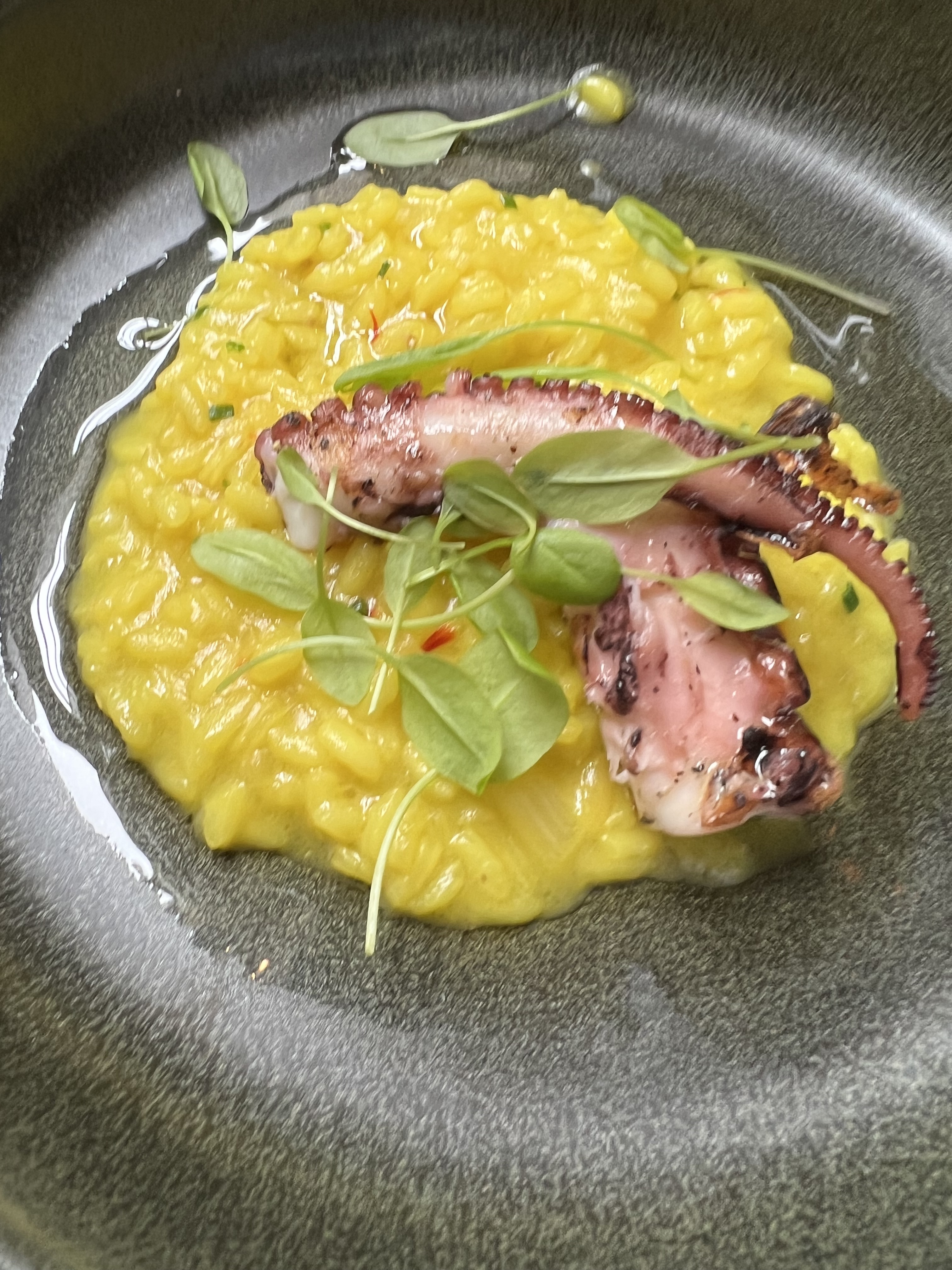
The ZinEx Media (January 2023) lunch atOne Market is not just a lunch, it is an experience to talk one-on-one with a Zinfandel producer (winemaker or producer representative) and a paired dish. The food was stunning and enough food for lunch and dinner. The food was prepared by Chef Mark Dommen–it was an eight course meal ranging from Octopus to Beef Short Ribs. The lunch executed the exquisite and thoughtful food with finessed Zinfandel. Each of the media members was served a different Zinfandel with each item paired. The diversity of Zinfandels was stunning and while I could think of Zinfandel “X” with plate “Y” it was the ability of this variety to be so friendly with each dish.
There were approximately eight members of wine media present (perhaps slightly more). Most likely each of us had a different Zinfandel per each course. So there was a different experience that perhaps each of us had at this lunch: I suspect that each pairing was an optimum experience and hard to do an absolute comparison. The food and wine pairings were on their mark.
I love the experience of a notebook in hand, talking and eating–I have been to many winemaker lunches and dinners and this is part of the territory. I welcome it! It is more than just eating and enjoying wine–it is getting into the heart of the matter of the winemaker’s vision of their wine and I love to delve into their experience.
Three Categories of Zinfandel farming:
Field Blended Zinfandel – old, old vines (planted in mid-to-late 1800s) where many varieties were co-planted amongst Zinfandel such as Alicante Bouschet, Carignane, Dolcetto, Colombard (yes white wine grapes) amongst many others.
Old Vine Zinfandel – not co-planted with any other varieties (there is no standard definition of old vine in terms of age) so I would say that it is younger than Field Blended Zinfandel sites and perhaps at least 40-50 years old. There is also not a clear marker that they taste different than a non-old vine Zinfandel; but certainly they yield less per acre.
Non-Old Vine Zinfandel – fruit producing vines to 30-50 years old.
Three Predominant Styles;
Field Blend Zinfandel – wines that are distinct and complex usually a darker color and the resonance is encompassing Petite Sirah and Alicante Bouscher for considerable dark inky coloration but also imparts flavor and also other varieties are often included.
Intentional Blend Zinfandel – there is a big tradition of blending Zinfandel and Petite Sirah and the variation is vast – from 1-2% to 29% Petite Sirah to Zinfandel (and potentially use other common blended wine grapes). There are generally two approaches a producer might select: A) use fruit from the site which may include Petite Sirah and the other most common blenders such as Alicante Bouschet and Carginan B) implement Petite Sirah, Carignan, and Alicante Bouschet from another site. I always ask winemakers why they blend if they do so. Perhaps using other varieties for vinifying Zinfandel can be for a breadth of reasons such as structure, complexity, historical reasons, color, etc.
One Hundred Percent Zinfandel – there are many producers who vinify yearly a 100% Zinfandel and do so confidently. A lighter colored Zinfandel doesn’t mean a loss of anything; Zinfandel can stand on its own
Then you can get into site specificity, vintage, region, soil, specific vinification methods along with aging regimens: you have a very large spectrum of experiences possible from Zinfandel that can make for an exciting wine to be tasted. Here are the food and wines tasted:
This wine is 98% Zinfandel, 2% Petite Sirah, 15% ABV, 18 months in 40% New French oak. Winemakers: are Justin Seidenfeld and Olivia Wright.
I met with Rodney Strong representative Christopher O’Gorman. This wine presented a nose of rich red bramble, freshly sanded wood, autumnal leaves, suede and spice. Palate is enveloped with red-black bramble (raspberry, Boysenberry), white pepper and red floral. An acid rich expression with nicely assembled structure. I can count on one hand how often I have tased Rodney Strong’s Zinfandel–indeed rare but something I look forward to tasting more.
Food pairing: Grilled Spanish Octopus (first time to taste this pairing–it was a convincing pairing)
This wine is 100% Zinfandel,15.9% ABV; 15 months in American oak (15% New) and French Oak. I enjoyed meeting with winemaker Luke Clayton.
This wine’s nose presents with notes of black fruit, crushed spices and violets; palate is expansive and brooding black fruit, clove, pepper, dried flowers and Thyme. I certainly need to step-foot-on-ground to visit El Dorado AVA and the Rombauer site. This AVA is on my radar and I look forward to tasting more higher elevation Zinfandels.
The fruit is sourced from Anderson Ranch and Wine Creek Ranch; 95% Zinfandel, 5% Petite Sirah. The aging of this wine is a combination of French and American oak. Nose presents with red cherry, blackberry, clove, and red rose petal; palate of black cherry, clove, dried herbs and graphite. I have met Hugh Chappelle previously and always have so many questions on his winemaking knowledge and his wines at Quivira. I recommend a visit to Quivira in Dry Creek Valley to taste this outstanding Zinfandel and other wines.
Food pairing: Mushroom Stroganoff Potato Latke (One Market is known fo the Potato Latkes)
Andy Robinson is the winemaker and I appreciate his style and love to talk with him about sites and styles. He is an alumnus of SUNY and studied Chemistry and of course with a focus on wine; I am fascinated by winemaking in New York and California that he has experienced.
This wine is 100% Zinfandel, 15.5% ABV, wine is aged primarily in French oak for 15 months, mainly neutral barrels 86%. Nose of fresh red and black fruit, freshly crushed spices, Bay leaf, and violets; palate is expressing notes of mainly red fruit, mid-palate of pepper and spice, and finishing with noticeable minerality and rose petals.
Food pairing: House-Made Orecchiette pasta with Spiced Lamb
This is my first time meeting winemaker Ross Reed, a graduate of Cal Poly in San Luis Obispo and has made wines in Australia, New Zealand and Napa Valley.
This wine is 100% Zinfandel and this wine is valley floor fruit and yields 2 tons per acre. I had not tasted Truett-Hurst in about a decade which is coincident with my last visit to Truett-Hurst. The nose presents with a nose of early season cherry, clove, forest floor, suede and red floral; the palate expresses with an abundance of red fruit–cherry and bramble, warm spice of clove and baking spices, and lingering finish of dried herbs and lovely and pleasant finish.
Food pairing: Roasted Chicken Breast (wood smoked with house made BBQ sauce–a fantastic dish)
I appreciated tasting with John Olney, Ridge’s winemaker and COO, of this esteemed Ridge site. This is the first Ridge wine I tasted many years ago-–it wasn’t until years later that I tasted Monte Bello. Ridge has a footprint on so many sites and regions and honors the site in each bottle. Ridge will range from 71% Zinfandel to 100% Zinfandel depending on site and of course sites like Lytton Springs will vary on a vintage basis with Carignan and Petite Sirah in its marriage with Zinfandel. John has the experience with the ultimate Zinfandel wine making experiences anywhere as there are so many sites Ridge manages and owns.
This wine is 79% Zinfandel, 11% Petite Sirah, and 10% Carignan and, of course, the iconic Ridge labels will always let you know the composition of the wine at hand. The wine is 14.6% ABV, and is aged in 100% air-dried American oak barrels (15% new, 15% one year-old, 20% two years-old, 20% three years-old, 15% four years-old, and 15% five years-old).
Nose of black cherry, clove, dried red rose petal and evergreen forest; palate of Morello cherry, white pepper, red tea,Tarragon and red floral notes.
Food pairing: Bacon Wrapped Pork Tenderloin (rich and superbly delightful)
Three Wine Company was established by long time winemaker Matt Cline and his wife Erin. Matt co-founded Cline Cellars with his brother. Three Wine Co. is based in Clarksburg and sources from Northern California. The fruit from this very old site in Contra Costa County is dazzling. Live Oak was planted in 1885 by Italian immigrants and the block contains 82.1% Zinfandel, 12.5% Petite Sirah, 2.5% Carignan, 2.8% Alicante Bouschet and .1% Mataro. Contra Costa County is thought of as a bedroom community of the Bay Area only despite its long grape growing and agriculture tradition. It is spectacular to have glorious and definitive fruit from this site. Contra Costa County has a low elevation, influenced from the delta (Sacramento and San Joaquin Rivers) which moderate summer heat with a daily cool down from the rivers. The soil content is loam and clay.
This wine’s nose presents with red and black bramble, freshly sanded cedar, suede, red floral and dried herbs. The palate expresses blackberry, freshly ground spices, dried herbs and minerals. And this pairing with duck was stellar and it was the first time I have tasted duck and Zinfandel and will experience this again soon.
Food pairing: Grilled Duck Breast with Huckleberry Sauce (a stunning dish–so well executed)
I had met Joel Peterson sometime ago–when he was with Ravenswood. It was a superb lunch over a generation and half ago that I had sat with him and other wine journalists. I remember that meal like it was yesterday. I was so glad to get focused one-on-one time with a wine legend like Joel Peterson. Joel is known for his founding of Ravenswood and the many Zinfandels he made there. The mantra of “no wimpy wines” made Ravenswood famous. The Smithsonian houses the Ravenswood ‘No Wimpy Wines’ orange T-shirt.
No Wimpy Wines at The Smithsonian, Washington, DC
I appreciate Joel’s experience and background and stories. I remember I listened to Levi Dalton’s interview with Joel: it was an exceptional interview and I learned more about Joel. I talked a bit about Joel’s upbringing and his very cultured and educated parents that Joel exemplifies and also extends out to Joel’s children as well. Joel is one of my favorite names as that is my brother’s name which of course I mentioned. The time flew by so very quickly and I am appreciative of his time.
What a perfect food pairing for Joel’s wine – beef short rib and Zinfandel – a crazy delicious combination. Teldeschi is an old site of Zinfandel, Carignan, and Alicante Bouschet. The nose is a sense of black cherry, fresh red rose petals, suede, autumnal orchard and fallen leaves; the palate is presenting with red and black fruit, freshly ground spices, freshly fallen Bay leaves and graphite. A sophisticated and appreciable Zinfandel that drinks superbly now and will do so in a decade as well (if not much longer). The time with Joel was all too short but I am delighted to have had this experience.
Food pairing: Beef Short Ribs (spectacular; I have tried making short ribs and still have yet to make them to this level)
Chef Dommen’s food is so well executed; I have eaten at One Market for many years and appreciate his food and vision. One Market under Chef Dommen has elevated and become such a reliable and exciting place for chef prepared food.
Takeaways from this tasting: Zinfandel is adaptable and capable of pairing with so many foods and it is done with great ease. So it is easy to pair steak with a Cabernet; it is this tasteing that has convinced me to try Zinfandel on my next steak-out.
Zinfandel is thought of as being a native grape stemming from California but that is not possible as it is a Vitis vinifera grape. But there is something so unique in Zinfandel’s journey from Croatia to Vienna to Long Island to California–how did this grape get to California so early? It is a mutual pick –Zinfandel picked California and California picked Zinfandel. And yes, of course, Zinfandel has been planted in many other places in the world and the US. But California’s Zinfandel experience is the widest breadth of elevation, soil type, expressions and microclimates than almost anywhere else you will find Zinfandel. Give Zinfandel a try on your next dinner-–you have a wide net to cast of food offerings to pair with this wine.





















 James Melendez - JamesTheWineGuy